
Death Isn't the End. It's the Angel of Liberation. Spiritual Perspectives on Death & Dying
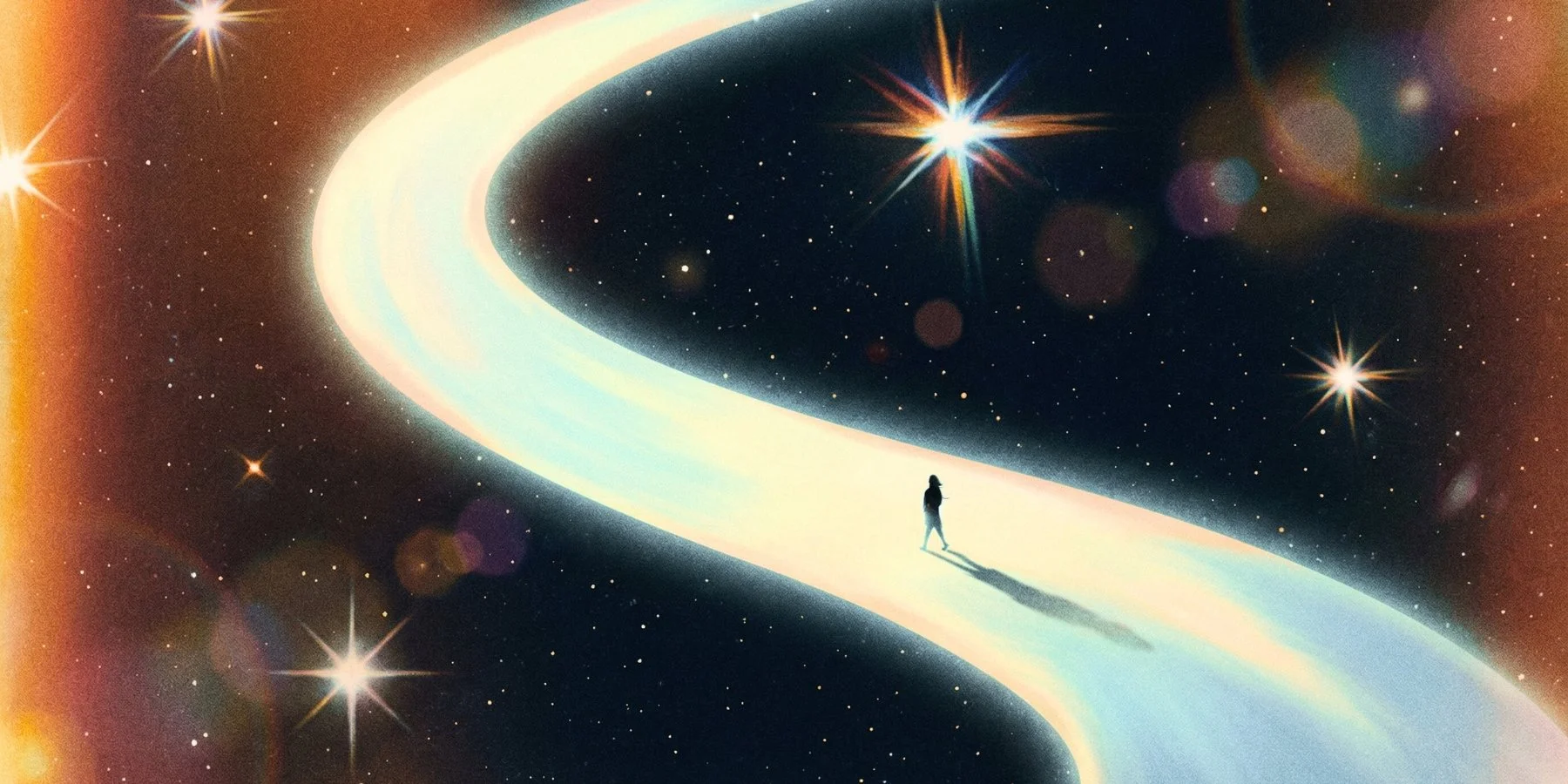
Most people carry a quiet, persistent dread of death — not because they've thought it through, but because the image handed to them is one of loss, darkness, and finality. That image is wrong. Across many spiritual traditions, what we call "death" is better understood as a threshold — a moment of liberation rather than termination. The soul doesn't get swallowed by an ending. It gets released into something larger. The entity presiding over that passage isn't a destroyer. It's closer to a customs officer at the border of a far better country — and the only thing that gets you turned back is what you're still clutching when you arrive.
Here's where it gets practical. The things that tend to hold people back aren't dramatic sins. They're attachments — to status, to possessions, to the need to be seen as good without actually doing the interior work. People perform spirituality without practicing it, and that distinction matters enormously. A person can have every credential, every affiliation, every outward marker of a spiritual life, and still be running the same self-serving patterns underneath. What gets weighed at that threshold isn't reputation. It's what actually lives inside you — the quality of attention you brought to your inner life, the degree to which you genuinely loosened your grip on the material world and oriented yourself toward something greater.
The deeper insight is this: dying, when it comes, isn't experienced as violence. Many accounts from people at the edge of death describe something unexpected — a sudden release of all physical suffering, followed by a sensation of expansion, warmth, and clarity. The body, which felt so essential, reveals itself as just a temporary instrument. What remains is awareness itself, moving freely. For those who have genuinely cultivated their inner life — through consistent contemplative practice, through sincere effort to align their behavior with their spiritual understanding — that awareness flows naturally into what many traditions call the Sound Current: the animating frequency underlying all of creation. You don't have to find it in that moment. You recognize it, because you've been listening for it all along.
That recognition is available now, not just at the end. The practical implication isn't morbid — it's clarifying. When you understand what actually matters at the threshold, you can begin living from that understanding today. You start loosening unnecessary attachments. You start making your inner practice real rather than ceremonial. You bring your actual behavior in line with your actual values. Enlightenment, in this framework, isn't a sudden cosmic download — it's the accumulated result of walking and speaking as if the things you claim to believe are genuinely true. Over time, what was intellectual becomes lived. And what was distant becomes near.
